Recycling is a crucial component in the fight against environmental degradation and climate change. As our planet faces increasing levels of plastic pollution, the importance of recycling becomes even more evident. Here are several reasons why recycling matters:
Waste Reduction: Recycling helps divert waste from landfills, reducing the amount of trash that accumulates and the associated environmental issues, such as soil and water contamination. By recycling plastic, we can significantly decrease the volume of waste that ends up in landfills, which can take hundreds of years to decompose.
Resource Conservation: Recycling conserves natural resources by reusing materials instead of extracting new ones. For instance, recycling plastics reduces the need for fossil fuels and decreases energy consumption, contributing to a more sustainable economy.
Energy Savings: The recycling process generally requires less energy compared to producing new products from raw materials. This reduction in energy usage translates to lower greenhouse gas emissions, helping to mitigate climate change.
Economic Benefits: Recycling creates jobs in collection, processing, and manufacturing. It stimulates the economy by supporting green industries and promoting sustainable practices. By investing in recycling initiatives, communities can also benefit from the development of local markets for recycled materials.
Environmental Protection: Recycling reduces pollution and the demand for landfills, which can harm local ecosystems. By choosing to recycle, we actively protect wildlife habitats and preserve biodiversity, ensuring a healthier planet for future generations.
Community Awareness: Promoting recycling encourages communities to engage in sustainable practices, fostering a culture of environmental responsibility. Education and awareness about recycling can inspire individuals to take action and advocate for greener choices.
In conclusion, recycling is not just a beneficial practice; it is essential for creating a sustainable future. By participating in recycling efforts, we can contribute to a cleaner environment, conserve valuable resources, and support economic growth, ultimately leading to a healthier planet for all.
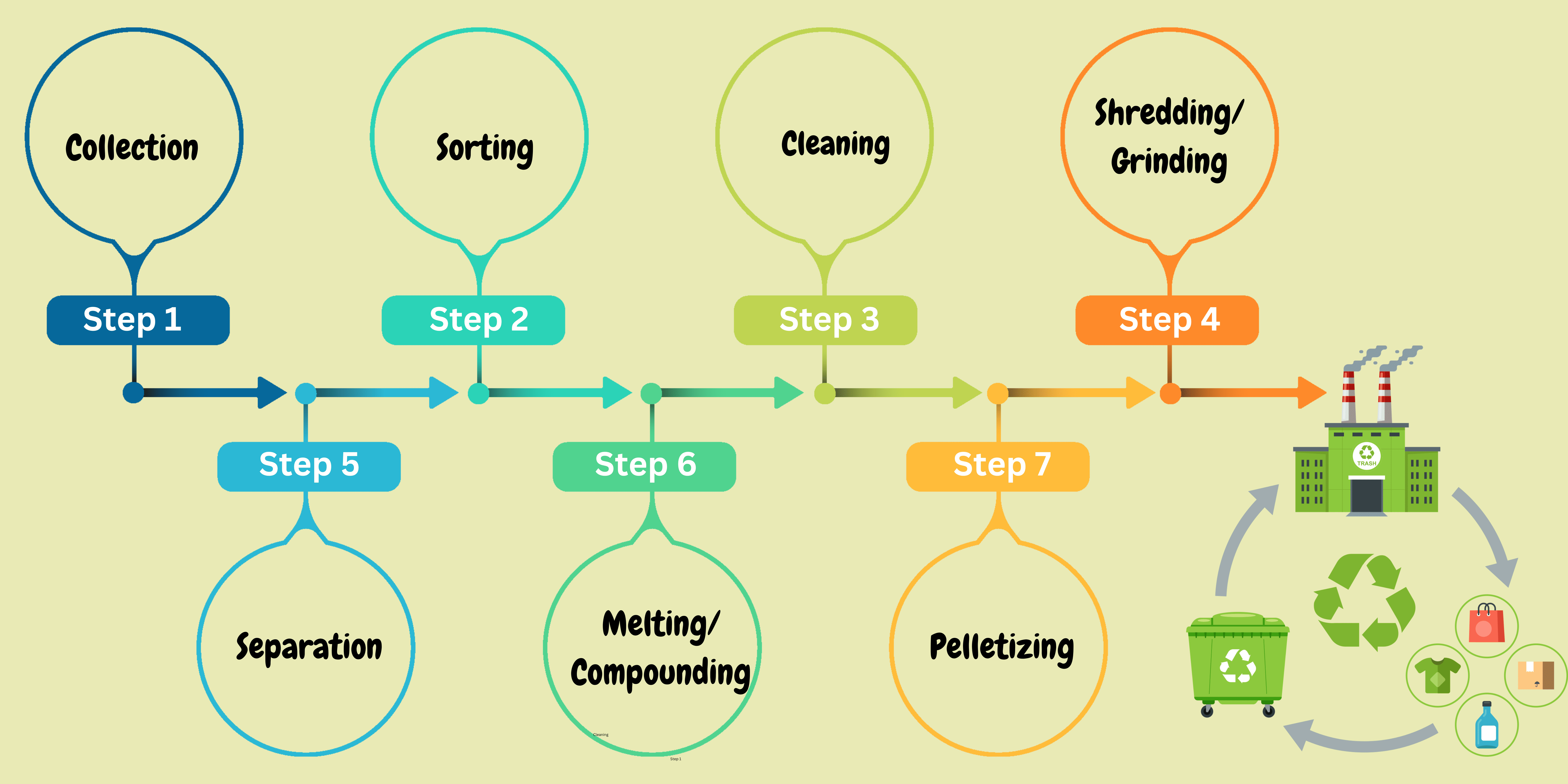
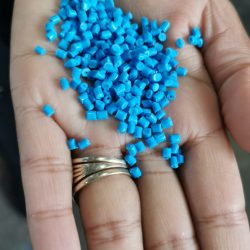
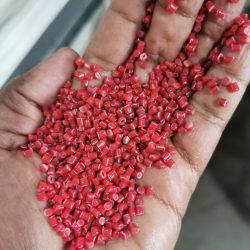
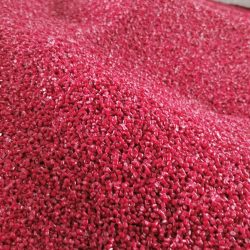
Established in 2016, CNF Recycling has grown to become a trusted leader in the plastic recycling industry. With a focus on sustainability and environmental impact, we specialize in recycling LDPE, HDPE, and PP plastics, converting them into first-generation polymers of the highest quality. Our advanced recycling techniques ensure that we deliver materials that meet stringent industry standards, supporting businesses in creating sustainable products while reducing their carbon footprint.
At CNF Recycling, we believe in the power of innovation and responsibility. Our dedicated team of experts works tirelessly to ensure efficient and eco-conscious recycling processes, transforming what was once waste into valuable resources. By offering recycled materials that are both cost-effective and environmentally friendly, we help companies across various industries achieve their sustainability goals.
As we look to the future, CNF Recycling remains committed to driving change in the circular economy, contributing to a cleaner, greener planet for generations to come.

Waste Reduction:
We are dedicated to reducing the amount of plastic waste that ends up in landfills and oceans by recycling LDPE, HDPE, and PP plastics. Our goal is to increase the amount of plastic diverted from waste streams and repurposed into high-quality, first-generation polymers.
Energy Efficiency:
CNF Recycling continually invests in advanced technologies and energy-efficient processes to minimize our carbon footprint. We strive to reduce the energy consumption associated with recycling and manufacturing while maximizing output.
Circular Economy Promotion:
By turning waste into reusable resources, we actively support the principles of the circular economy. We work closely with industries to integrate recycled materials into their products, promoting the sustainable use of resources and reducing the reliance on virgin plastics.
Regulatory Compliance:
We adhere to all local, national, and international environmental regulations governing plastic recycling and production. Compliance ensures that our practices meet and often exceed environmental standards.
Continuous Improvement:
Sustainability is an ongoing journey. We are committed to continuously reviewing and improving our processes, reducing waste generation, energy consumption, and emissions. We regularly evaluate our environmental performance and set measurable goals to enhance our impact.
Collaboration and Education:
We believe that sustainable change requires collective effort. CNF Recycling works closely with customers, suppliers, and communities to promote sustainable practices. We also engage in educational initiatives to raise awareness about the importance of recycling and responsible plastic use.
Employee Engagement:
Our team is essential to our sustainability efforts. We provide ongoing training and resources to ensure that all employees understand and contribute to our environmental goals. We foster a workplace culture that prioritizes sustainability, innovation, and ethical practices.
Sustainability: We are committed to preserving the planet by reducing plastic waste and promoting recycling as a key component of the circular economy.
Innovation: We embrace cutting-edge technologies and processes to ensure the highest quality recycled materials and to continually improve our environmental impact.
Integrity: We uphold the highest standards in our practices, ensuring transparency, ethical conduct, and compliance with industry regulations.
Customer Focus: Our customers are at the heart of what we do. We strive to understand their needs and deliver reliable, eco-friendly solutions that contribute to their success.
Responsibility: We take our role seriously in creating a greener future, and we encourage responsible consumption and production throughout the plastic lifecycle.